The role of home warranties in real estate
Purchasing a home is one of the most significant investments most people make in their lifetime. While homeownership offers security and long-term value, it also comes with ongoing maintenance responsibilities and unexpected repair costs. This is where a home warranty can provide valuable protection. Home warranties help homeowners manage the cost of repairing or replacing major systems and appliances that break down due to normal wear and tear, offering peace of mind and financial security.
What Is a Home Warranty?
A home warranty is a service contract that covers the repair or replacement of certain home systems and appliances when they fail because of everyday use. Unlike homeowners insurance, which covers damages caused by events such as fires, storms, or theft, a home warranty focuses on mechanical failures and operational breakdowns.
Coverage typically includes:
- Heating and cooling systems
- Plumbing systems
- Electrical systems
- Water heaters
- Kitchen appliances
- Laundry appliances
- Garage door openers
Why Home Warranties Are Important in Real Estate
For many buyers, moving into a new home can bring unexpected repair expenses. A home warranty provides reassurance by helping cover the costs associated with unexpected system or appliance failures during the first year of ownership.
Key Benefits:
- Reduced repair expenses
- Greater confidence when purchasing older properties
- Convenient access to qualified service professionals
- Financial protection against sudden breakdowns
Added Value for Home Sellers
Offering a home warranty can make a property more attractive to potential buyers. It demonstrates confidence in the home’s condition and may help reduce buyer concerns during the purchasing process.
Benefits for Sellers:
- Increased buyer trust
- Stronger listing appeal
- Potentially faster sales
- Reduced post-sale disputes
What Home Warranties Usually Don’t Cover
While home warranties offer valuable protection, they do have limitations. Common exclusions may include:
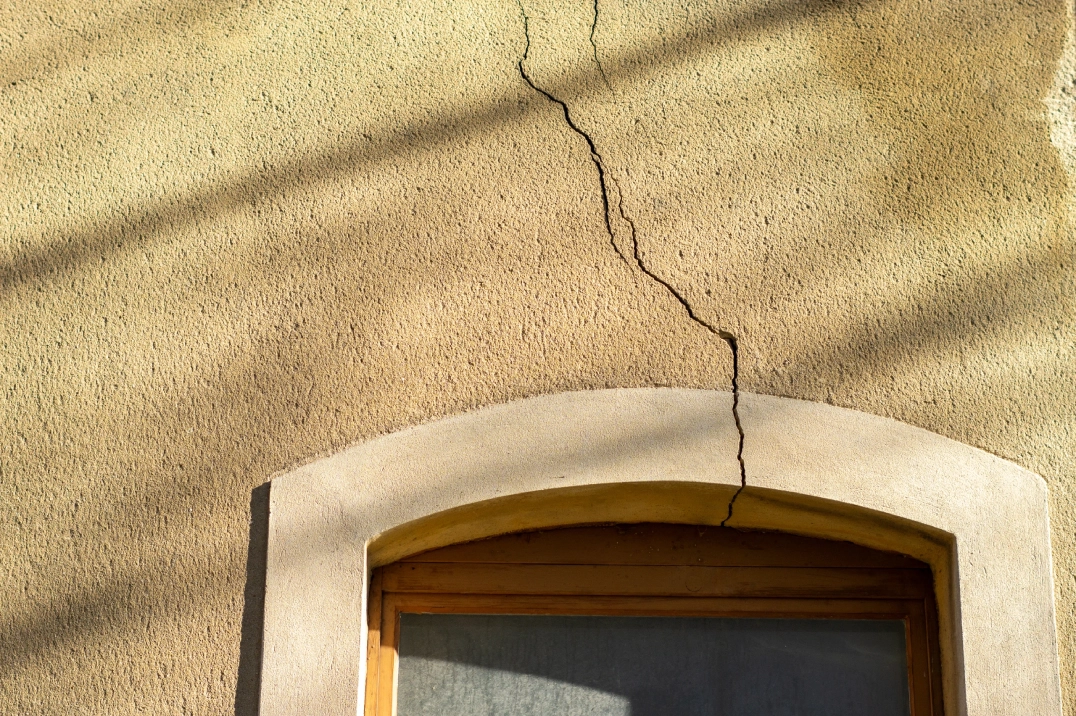
- Structural damage
- Roofing issues
- Cosmetic defects
- Pest infestations
- Improper installation
- Lack of maintenance
- Pre-existing conditions