Common defects and issues to consider before you buy
Purchasing a property is one of the biggest financial decisions most people will ever make. While every property will have some wear and tear, knowing what to look for can help you identify potential problems before you commit. Below are some of the most common defects and issues that every prospective purchaser should consider when inspecting a property.
Waterproofing Failures & Water Leaks
Look for any evidence that waterproofing has failed, particularly in bathrooms, laundries and around balconies. Bubbling paint, mould, swollen skirting boards and rotting timber are all indicators that moisture may be entering where it shouldn’t.
Check ceilings, walls (especially corners), around windows and inside cupboards for water stains, peeling paint, discolouration or musty odours. If possible, inspect the opposite side of bathroom and laundry walls for hidden signs of moisture.
Dampness at the base of walls or in flooring may indicate rising damp or ongoing moisture problems.
Roof & Gutter Condition
The roof is your home’s first line of defence against the weather. Check for broken or slipped roof tiles, rusted metal roofing, damaged flashing and deteriorated gutters.
Poor roof maintenance can allow water to enter the roof cavity, leading to timber decay, mould growth and expensive structural repairs.
Structural Movement
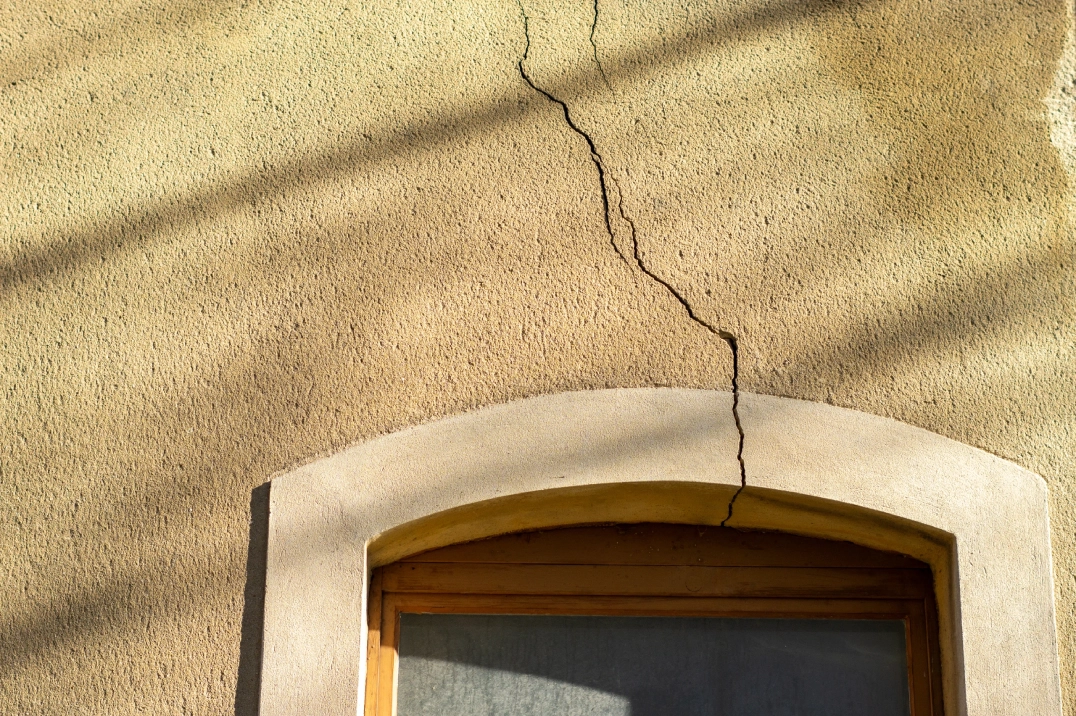
Fine hairline cracks in plaster are often cosmetic. However, stepped cracks in brickwork, large diagonal cracks, sticking doors or windows, and uneven floors can indicate foundation movement or subsidence.
Floors that noticeably slope or feel springy may suggest structural framing issues.
For apartments, determine whether cracking is confined to your unit or continues through common walls and adjoining areas. Cracking in retaining walls, planter boxes or external masonry may also indicate ground movement.
Hot Water System
Check the condition, size and approximate age of the hot water system. Most units have a lifespan of around 10 to 15 years, so an older system may soon require replacement. While not a major defect, it is an expense worth factoring into your purchase.
Drainage
Run taps throughout the property to ensure sinks, showers and basins drain quickly.
Outside, check that the site slopes away from the house and that stormwater drains appear to function properly. Water pooling around the building, boggy ground or persistent dampness beneath a house can indicate poor drainage and increase the risk of structural movement, timber decay and termite activity.
Insulation
Many homes built before the early 2000s have little or no insulation.
Good insulation significantly reduces heating and cooling costs, improves year-round comfort and provides additional acoustic benefits.
Ceiling insulation is usually the easiest to inspect via the roof access hatch. Wall insulation is much harder to verify and is less common in older homes.
Timber Pests & Decay
Inspect exposed timber for signs of termite damage, timber rot or fungal decay.
Pay particular attention to subfloors, timber framing, retaining walls, steps, fences and any timber that is in contact with the ground. External timber damage can sometimes indicate hidden damage within the home itself.
For Strata Apartments
Request and review the strata records before purchasing.
Look for any special levies that have been raised or are being considered, and carefully read the minutes from recent Annual General Meetings (AGMs). These often reveal recurring maintenance issues, disputes, planned major works or financial concerns.
Check whether engineering reports, building defect reports or remedial investigations have been commissioned. Reports that have already been acted upon are generally a positive sign. Reports that identify significant defects but remain unresolved may indicate substantial future repair costs and special levies.
Noise & Liveability
A property may appear quiet during an open inspection but feel very different at other times.
If possible, visit at different times of the day and evening. Consider nearby roads, rail lines, schools, entertainment venues and neighbouring properties.
For apartments, think about proximity to lifts, garbage rooms, plant rooms, pumps, exhaust fans and other building services that may generate ongoing noise.
Final Tip for Buyers
The most expensive defects are often the ones you can’t see during a standard open inspection. Hidden moisture, structural movement, termite activity and poor-quality building work can easily cost tens of thousands of dollars to rectify.
A comprehensive pre-purchase building inspection provides an independent assessment of the property’s condition, helping you make an informed decision. It may also provide valuable leverage to negotiate the purchase price, request repairs before settlement or, in some cases, avoid an expensive mistake altogether.